

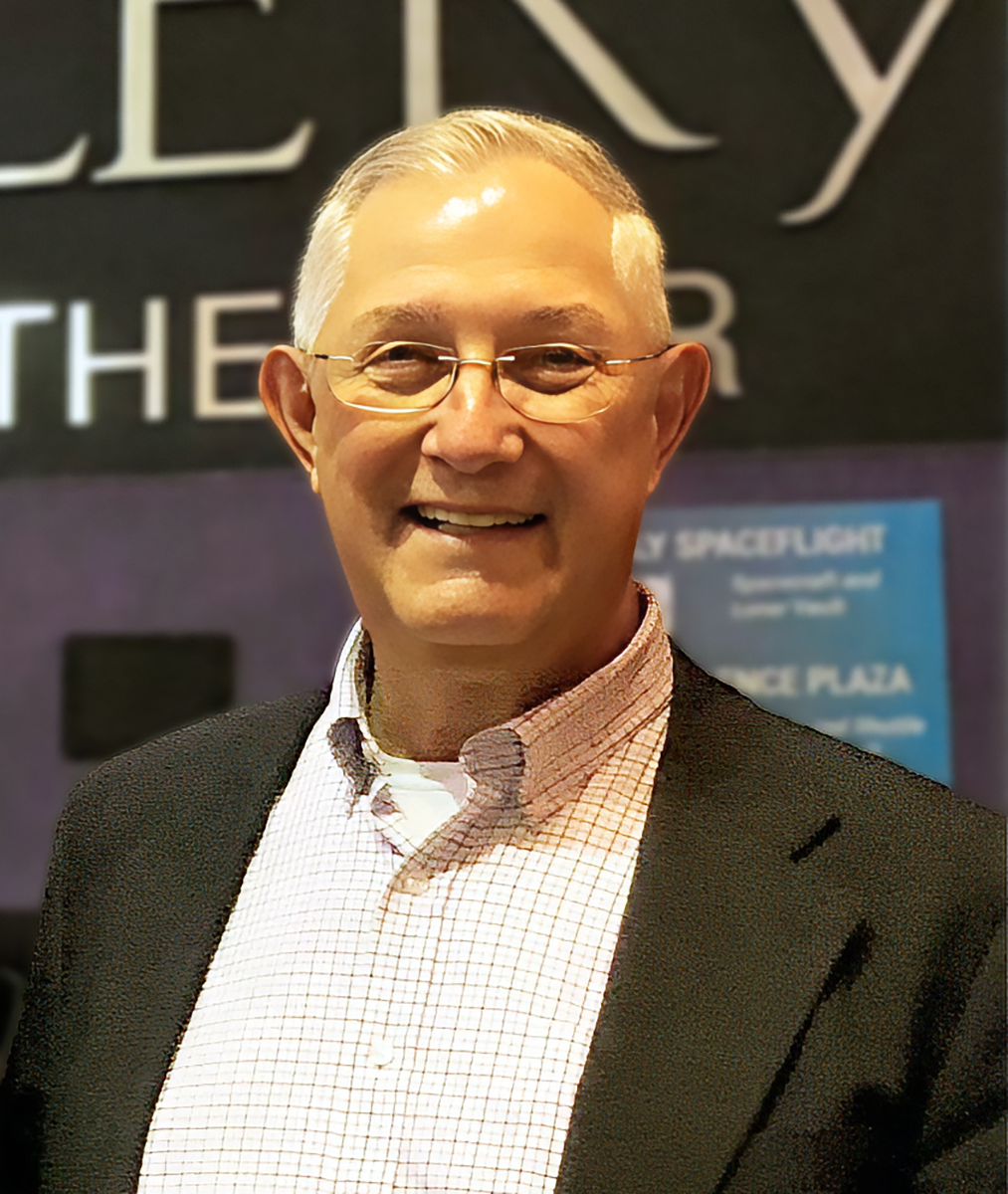
In the world of aerospace and biomedical engineering, one name shines brightly: Dr. Charles Knapp. With an impressive educational background and a long list of accomplishments, Dr. Knapp has made significant contributions to the field throughout his career.
Dr. Knapp’s journey began in 1962 when he obtained his B.A. degree. But he didn’t stop there. He went on to earn B.S., M.S., and Ph.D. degrees in Aerospace Engineering, specializing in Biomedical Engineering, from Notre Dame in 1968. Armed with extensive knowledge and expertise, Dr. Knapp joined the University of Kentucky as an Assistant Professor of Mechanical Engineering in the same year.
Over the years, Dr. Knapp’s dedication and passion for his work propelled him to new heights. In 1990, he became the Director of the Center for Biomedical Engineering at the Wenner-Gren Research Laboratory. Along the way, he also earned an impressive collection of 20 foreign and domestic patents, showcasing his innovative spirit.
Dr. Knapp’s contributions to the field of Biomedical Engineering are not only recognized nationally but also internationally. He was honored with induction into the College of Fellows of the American Institute for Medical and Biological Engineering. This prestigious recognition is a testament to his exceptional achievements and impact on the industry.
As a professor of Mechanical Engineering from 1968 to 1985, Dr. Knapp made it his mission to develop comprehensive curricula in biofluid mechanics and biomedical instrumentation for both graduate and undergraduate students. His research efforts spanned a wide range of areas, including the effects of vibration stresses on the cardiovascular system, sustained acceleration’s impact on animal and human behavior, and blood trauma caused by mechanical shear.
Dr. Knapp’s expertise also extended to the design and modeling of blood oxygenators, computer simulations of hemodynamics, and even childbirth simulation. His studies on cardiovascular responses to acceleration stress and the frequency response characteristics of cardiovascular regulation have paved the way for advancements in the field.
One of Dr. Knapp’s most notable achievements was his work on therapeutic aspects of whole-body oscillations as a countermeasure for cardiovascular and musculoskeletal deconditioning associated with weightlessness or paralysis. This groundbreaking research has had a significant impact on improving the health and well-being of individuals in space and those with mobility challenges.
Throughout his career, Dr. Knapp mentored and guided many students. Notably, he served as the Ph.D. candidate advisor for John Charles and as the Department Head for Joyce M. Evans, both recent KAHF enshrinees.
Dr. Knapp’s unwavering dedication to the field of Biomedical Engineering has left an indelible mark. His contributions have not only advanced the field but have also improved the lives of countless individuals. As a pioneer and innovator, Dr. Knapp’s legacy will continue to inspire future generations of engineers and scientists.
